Reiki & Energetic Analysis of the Aura Field: Your Path to Inner Balance and to Your Own Energy Field
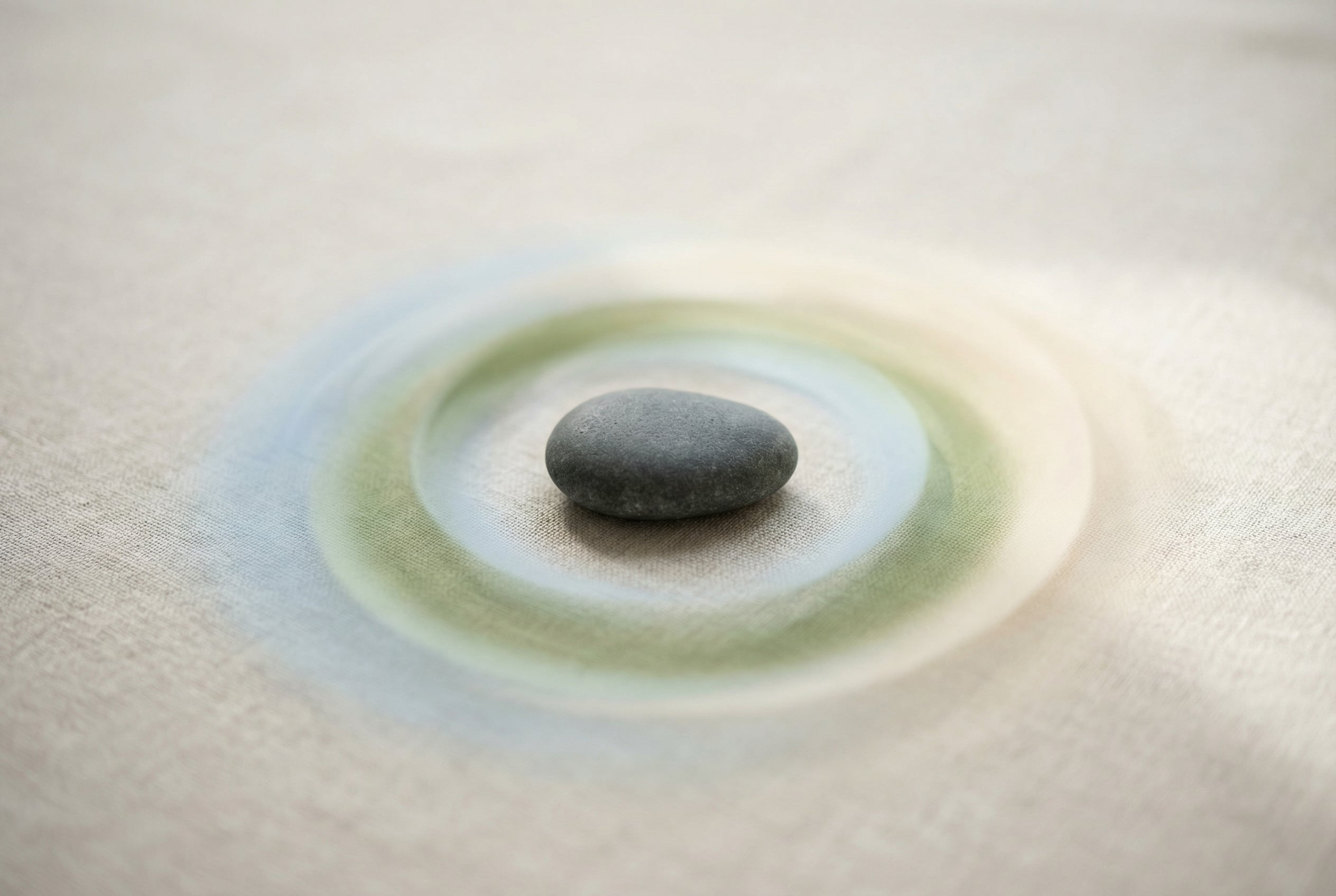
Reiki & Energetic Analysis of the Aura Field: Your Path to Inner Balance and to Your Own Energy Field
Summary: Reiki and energetic analysis offer paths to inner balance and to exploring your own energy field by making physical, emotional and energetic connections visible and by fostering self-awareness.
In a time when stress, inner restlessness and physical symptoms often go hand in hand, many people seek methods to find inner balance and to get to know their energy field. Reiki and energetic analysis—rooted in ancient traditions and at the same time embedded in modern complementary medical approaches—offer fascinating ways to do this.
1 | Reiki: Origin, Effects & Complementary Medical Context
Reiki is a form of energy work developed in the early 20th century by Mikao Usui in Japan. The word “Reiki” is composed of the Japanese syllables “Rei” (universal life energy) and “Ki” (life force). He did not describe it as his invention, but as his remembrance of centuries-old traditions and a connectedness with life itself, which is inhabited by an intrinsic force. This force flows through our bodies and energizes them—our health, our emotions and our will.
In the complementary health world, Reiki is often seen as a method to promote relaxation, reduce stress and support the body’s self-healing capacities. Reiki sessions aim to dissolve blockages in the body's energy flow and thus strengthen both physical and emotional wellbeing. Many practitioners report deep relaxation, easier release of emotional tensions and increased body awareness—everything that contributes to noticeable inner balance.
1.1 | How energy balancing calms the nervous system and promotes relaxation
Some of these effects can be explained scientifically by activation of the parasympathetic nervous system: relaxation responses can reduce stress hormones and thereby promote wellbeing through physical pathways. Classical Reiki research may not show medical miracles in the strict sense, but it does show positive effects on subjective wellbeing, anxiety and stress symptoms—typical indicators that are also considered relevant in the complementary medical context.
1.2 | Energetic analysis: The energy field as a mirror of health
Energetic analysis considers the person not only as a physical body but as a system of interconnected energetic layers. According to complementary self-healing traditions, these layers reflect emotional, mental and energetic processes. If you want to get to know your energy field, it primarily means recognizing patterns that manifest in your emotional landscape and in your physical experience.
Here, professional Reiki practitioners in energetic treatment examine the following aspects:
- how thoughts and feelings act within the energy field,
- whether blockages in the energy flow contribute to physical or emotional symptoms,
- and how life history—beliefs, traumas, unresolved experiences—influences the energetic system.
Such perspectives are similar to the approach in integrative medicine, where body and psyche are not separated but understood as a holistic system.
2 | Biography becomes biology: The chakras as energetic reflections of experience
A significant name at the intersection of energy medicine analysis and complementary health teachings is the American author and medical intuitive Caroline Myss. In her book Anatomy of the Spirit (in German: Geistkörper-Anatomie) she combines spiritual wisdom teachings with observations from over 15 years of practice in energy medicine and intuitive diagnosis.
Myss’s central thesis is: “Your biography becomes your biology” — meaning: what we have experienced, believed or suppressed not only influences our behavior but can manifest at the physical level. Emotional burdens, belief patterns and unresolved conflicts thus affect the energy system and potentially also health.
She distinguishes seven main energy centers—the chakras—that are arranged along the spine up to the crown. Each chakra represents different aspects of consciousness, life themes and bodily functions.
3 | Chakras: The seven energetic centers according to Myss
Chakras are known in many ancient traditions as energetic nodes. They have a diameter of 10cm and protrude cone-shaped from the body along the midline. There they can be felt above the body by a Reiki practitioner. The chakras are an integral part of energetic psychology. Energetic psychology translates these ancient concepts into a modern, psychologically oriented view that is used in the context of self-healing and personal development:
3.1 | Root Chakra (Muladhara) – Survival & Security
Location: Base of the spine Focus: Safety, physical existence, primal trust. Disturbances can show as stress, anxiety or lack of energy.
3.2 | Sacral Chakra (Svadhisthana) – Creativity & Relationships
Location: Lower abdomen Focus: Sexuality, creativity, interpersonal relationships, power dynamics.
3.3 | Solar Plexus Chakra (Manipura) – Personal Power
Location: Upper abdomen Focus: Self-worth, assertiveness, ego identity.
3.4 | Heart Chakra (Anahata) – Love & Compassion
Location: Center of the chest Focus: Love, self-healing, emotional connection, compassion.
3.5 | Throat Chakra (Vishuddha) – Expression & Will
Location: Throat Focus: Communication, truth, self-expression.
3.6 | Third Eye (Ajna) – Intuition & Insight
Location: Forehead between the eyebrows Focus: Intuition, perception, inner knowing.
3.7 | Crown Chakra (Sahasrara) – Spirituality & Connection
Location: Crown of the head Focus: Spiritual connectedness, meaning, transcendent consciousness.
Caroline Myss describes the chakras not only as energy centers but as “databases of life experience”: every experience, belief and emotion is filtered through them and thus influences the inner energy system. An energetic analysis in the holistic practice in Bochum can describe the entire energy field and the current state of a person.
4 | Why this matters: Self-Healing, self-reflection & inner balance
In classical medical models, health is often viewed purely physically. Complementary approaches like Reiki and Myss’s energetic analysis link body, mind and energy. They assume that:
- unresolved emotional issues can manifest as physical symptoms,
- energy patterns influence wellbeing,
- and that working on the energy field leads to greater inner balance.
This perspective is based on the principle that body and consciousness are not separate but are in a constant exchange of information and energy. The chakras serve as a map to better understand aspects of the physical, emotional and spiritual self and to work on them purposefully.
5 | Conclusion: A holistic view of health and energy
Reiki and energetic analysis open doors to a deeper understanding of the self and inner forces. In connection with complementary medical ideas—as described by Caroline Myss—a holistic model emerges that sheds light not only on symptoms but on causes and patterns. Whoever wants to get to know their energy field can gain valuable insights and find a path to more inner balance that brings body, mind and energy into harmony.
If you are interested in an analysis of your energy field in my holistic practice in Bochum, long for relaxation, inner calm and self-discovery, feel free to book a free initial consultation.

Free initial consultation for energetic analysis
Arrange a non-binding initial consultation to get to know your energy field and discuss possible paths to inner balance. I will support you in clarifying your questions and the next steps.
Book Free Initial Consultation